Signs Of Poor Gut Health In Dogs: The Fuller Picture
Loose stool is the most obvious sign something is off in a dog's gut, but it is far from the only one — and by the time stool changes, other symptoms may have been building for a while.
Knowing the broader picture helps you catch issues earlier, and helps you tell the difference between something a supplement might help with and something that needs a vet visit.
The obvious signs
Stool changes. Loose stool, unusually hard stool, mucus, or noticeable changes in frequency are the most direct signals. Excess gas. Occasional gas is normal; frequent or unusually odorous gas can point to a digestive imbalance.
The less obvious signs
Coat and skin condition. A dull coat, excessive shedding, or itchy, flaky skin can sometimes trace back to gut health, since nutrient absorption happens in the intestine — a compromised gut can mean a dog is not getting full value from an otherwise good diet.
Bad breath beyond the normal dog-breath baseline. While dental issues are the most common cause of bad breath, persistent unusual breath odour is sometimes connected to digestive imbalance as well.
Low energy or reduced enthusiasm. A dog whose gut is not absorbing nutrients efficiently may show up as generally less energetic, even without obvious digestive symptoms.
Increased scratching without fleas. Some dogs show skin sensitivity connected to gut and immune balance rather than external parasites, though this always warrants ruling out fleas and allergies first.
Occasional vomiting unrelated to diet changes. Infrequent vomiting can have many causes, but a pattern of it alongside other signs on this list is worth flagging to your vet.
Why gut health connects to so much
The intestinal lining is where nutrients are absorbed, a substantial share of immune system activity is coordinated, and the balance of resident bacteria influences inflammation throughout the body. That is the underlying reason gut-support supplements are marketed for such a broad range of benefits — digestion, coat, immunity and energy really are connected, even if the connection is sometimes oversold in marketing copy.
When to see a vet instead of trying a supplement
Where a probiotic reasonably fits
For dogs with mild, non-urgent digestive irregularity — occasional loose stool, gas, or a coat that could look better — a broad-spectrum probiotic formula is a reasonable, low-risk thing to discuss with your vet as one part of the picture. It is not a substitute for veterinary diagnosis when something more serious is going on.
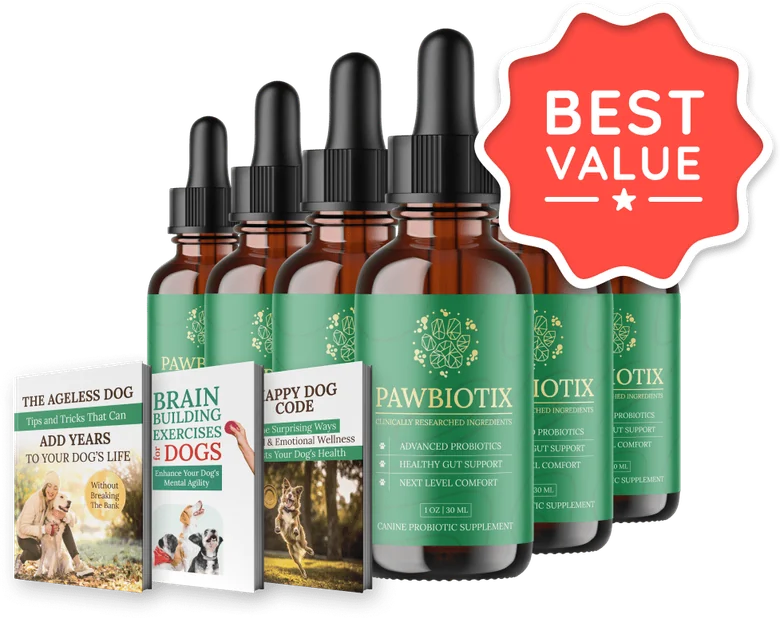
See what PawBiotix is designed to support or our full review for an honest assessment of where it fits.